
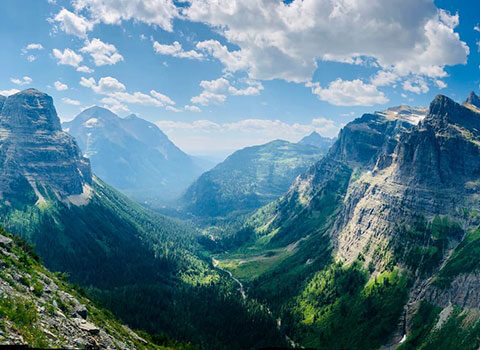
Going-to-the-Sun Road is almost OPEN!
Our Survivalist’s Guide to navigating the new changes in Glacier National Park.
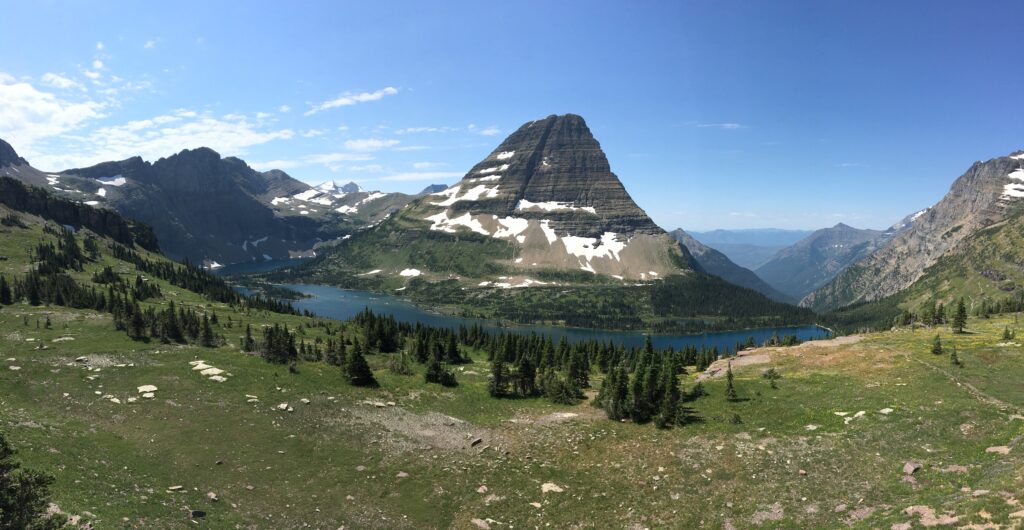
There’s a moment every year in Glacier Country that signals upper alpine access has officially arrived: Going-to-the-Sun Road opens to full vehicle travel. It’s the point when the high country opens up, waterfalls peak, and the entire cross-park corridor becomes accessible in a single drive.
For 2026, the system looks different again. No vehicle reservations, full access to the road, and new ways of managing traffic in the most popular areas. Here’s our insider take on what’s changing, what to expect, and how to make the most of your time in Glacier National Park this summer.
What Vehicle Access to Going-to-the-Sun Road Means for your Vacation
So you’re heading to Glacier National Park in 2026.
No vehicle reservations. Full access to Going-to-the-Sun Road.
Sounds simple: until you realize everyone else got the same memo.
This moment signals major changes for how visitors experience the park, and it unlocks one of the most iconic alpine drives in the world. At Glacier Guides Montana Raft, experience greater access to Day Hikes, Guided Backpacking (and Specialty Trips!), while still retaining bike rental availability.
View our recommended packing lists for 2026
Here’s what it means for your vacation in 2026:

What It Means for Biking Going-to-the-Sun Road
Once vehicle traffic opens, biking shifts into a different but still incredible season. Early season riding on a closed road is gone, but summer biking becomes a high-alpine shared-road experience with specific rules and incredible payoff. View our recommended bike packing list here:
Here’s what cyclists can expect:

1. Iconic rides are still very much on
You can still ride Going-to-the-Sun Road through some of the most dramatic scenery in North America: glacier viewpoints, waterfalls, cliffs, and sweeping valley views. View closures from NPS HERE.
2. Expect vehicle sharing + time restrictions
Once open to cars, cyclists are required to share the road and follow seasonal rules, including time-of-day restrictions in high-traffic sections of the corridor. Riding early morning or later in the day is typically the most enjoyable and least congested experience.
3. It becomes more of a “guided experience advantage” season
This is where our biking trips really shine. With traffic on the road, having a guide, shuttle support, and local timing strategy makes a huge difference in:
- Route timing
- Safety and visibility
- Choosing the best sections to ride
- Avoiding peak congestion windows
How We Help You Bike It Better
Once the road is open to vehicles, we simplify the experience so you still get the magic, without the stress.
We offer:
- Bike rentals (traditional + e-bikes) for all ability levels
- Shuttle options to position you at ideal ride segments
- Guided biking tours with local experts who know timing, pullouts, and hidden scenic stops
- Self-guided biking options for independent riders who still want logistics handled
Whether you’re cruising sections of the road or tackling a full-day ride, we help you make it feel smooth, safe, and unforgettable.
Why This Opening Matters
Going-to-the-Sun Road is more than a scenic drive, it’s the backbone of Glacier National Park. When it opens fully, it connects the park in a way that turns separate experiences: rafting, biking, hiking, fishing, into one seamless adventure corridor.
For visitors, it means:
- More access
- More flexibility
- More iconic viewpoints in a single trip
For bikers, it means:
- A shift from quiet spring cycling to full alpine road adventure
- More strategy, timing, and support needed
- And still some of the most breathtaking miles you’ll ever ride
Make the Most of It
June and early summer are when Glacier starts to feel fully alive. Snow still lingers on the peaks, rivers are running strong, and the road finally connects it all.
Whether you’re here to Float the Flathead, Bike Going-to-the-Sun Road, or string together a full week of Glacier adventure, this is the moment it all opens up.
Plan your trip with Glacier Guides Montana Raft and experience Glacier the way it’s meant to be seen, by land, by river, and by road.
If you need some help planning your Glacier National Park vacation, download our Insider’s Guide to help nail down those details. Our blog is chalk full of great itinerary ideas, too!

Local Guide Tip #1: Beat the Crowds or Join them
Going-to-the-Sun Road is fully open to vehicles in 2026, which means demand is at its peak.
Your best strategy is timing:
- Early morning: Best chance at parking, cooler temps, active wildlife
- Late afternoon/evening: Softer light, fewer crowds, more relaxed driving
Midday is where traffic, parking pressure, and frustration stack up fastest.

Local Guide Tip #2: Understand the New Logan Pass Reality
Logan Pass is still the crown jewel, andddd still the bottleneck.
From July 1 through September 7, 2026, the Logan Pass parking lot operates with a 3-hour parking limit. This is designed to increase turnover and give more visitors access throughout the day.
Historically, the lot would fill before sunrise and stay full all day. The timed system is meant to break that pattern.
Planning a Longer Hike?
If you’re doing the Highline Trail, Hidden Lake, or a full-day adventure, the ticketed Logan Pass Shuttle is the main alternative to parking.
Key points:
- Shuttle tickets must be reserved in advance through Recreation.gov
- Each ticket costs $1, an administrative fee collected by Recreation.gov
- Tickets are tied to a specific date, time, and boarding location
- The shuttle replaces the previous first-come, first-served system
- Routes are simplified with fewer stops and more direct service to Logan Pass
Boarding Locations
- Apgar Visitor Center
- Lake McDonald Lodge
- Rising Sun Picnic Area
- St. Mary Visitor Center
At these locations, tickets are validated and riders receive wristbands required for return boarding.
The shuttle only serves Logan Pass and is designed specifically for efficient, high-volume access.
Shuttle Rules & Policies
- Children 2 years and older must have their own seat and ticket
- Infants under 2 may ride as lap children with a ticketed adult
- Tickets are non-transferable and cannot be resold
- All shuttles are ADA accessible
Cancellation Policy
- Tickets may be canceled up to 24 hours before departure
- Canceling forfeits the $1 administrative fee
- Tickets are non-refundable
- Canceling is encouraged if plans change, since it releases the seat back into Recreation.gov for other visitors

Local Guide Tip #3: The Road Is Not Just a Drive, It’s a Corridor
Going-to-the-Sun Road is not a straight scenic cruise. It’s a dynamic alpine system with traffic, wildlife, pullouts, construction, and weather all competing for space.
Expect sudden stops for wildlife, limited pullout availability, construction delays, and rapid weather changes. Proceed with patience and caution, not a strict itinerary.

Local Guide Tip #4: Logan Pass Is Not the Whole Park
If Logan Pass is full or overwhelming, don’t burn your day circling.
Strong alternatives include:
- Lake McDonald
- Avalanche Creek
- Rising Sun
- Sun Point
- St. Mary Lake
- Two Medicine
- Many Glacier (when accessible)
Sometimes the best Glacier days happen when you leave the main corridor. Remember: access to dead end valleys may be impacted by traffic closures! Text GNPROADS to 333111 to receive NPS updates.
Local Guide Tip #5: Have a Bathroom Strategy
Facilities exist but are not evenly spaced, and not always available when you need them most.
Major restroom locations:
- Apgar Visitor Center
- Lake McDonald Lodge
- Avalanche
- Logan Pass Visitor Center
- Rising Sun
- St. Mary Visitor Center
If you see a bathroom and think “maybe later,” don’t.

Local Guide Tip #6: Weather Runs the Show
Even in summer, Glacier behaves like a high-alpine environment. View our recommended packing list here!
Carry:
- Water
- Rain jacket
- Warm layers
- Sun protection
- Bear spray for hiking
A clear morning can turn into wind, rain, or smoke within hours.

Local Guide Tip #7: Go Beyond the Park Boundary
Some of the most underrated experiences sit just outside Glacier National Park.
Flathead National Forest
No entrance stations. No reservations. Fewer crowds. Big terrain.
Expect:
- Alpine lakes
- Quiet trailheads
- Mountain views without congestion
Firebrand Pass Trail
A strong Continental Divide hike with big scenery and far less traffic than Glacier’s core corridors.
No park fee. No entrance station. High reward.

Local Guide Tip #8: Concession Activities Change the Experience
When Glacier gets busy, guided experiences become a way to avoid the logistics entirely.
Options include:
- Whitewater rafting
- Scenic float trips
- Guided hikes and nature walks
- Fishing trips
- Educational programs
These remove parking stress while adding local knowledge you won’t get from roadside stops.
Final Survival Rule: Flexibility Wins
The biggest mistake visitors make is treating Glacier like a fixed itinerary.
In reality, it’s a system that changes hourly.
If parking is full, pivot. If weather shifts, adjust. If traffic stalls, explore nearby.
The visitors who have the best experience aren’t the ones who plan the most rigidly, they’re the ones who adapt the fastest. Going-to-the-Sun Road in 2026 is fully open, but access doesn’t mean simplicity. Continue to move early, stay flexible, and treat the road less like a checklist and more like a living alpine corridor.